Transportation
Route One ELD
Building an FMCSA-compliant ELD platform from an internal fleet solution to a commercial SaaS product
Impact: Built an FMCSA-compliant Electronic Logging Device platform that evolved from an internal solution for a fleet of 150 trucks into a commercial SaaS product for the US transportation market.
- Role
- Product & Project Lead
- Duration
- Multi-year engagement
- Team
- Product, Engineering, Compliance, Fleet Operations
Overview
The project began as an internal initiative to build an Electronic Logging Device (ELD) solution for our own fleet of 150 trucks.
Rather than entering the market with a commercial product, we first needed to prove that the platform could support real drivers, comply with FMCSA regulations, and operate reliably in daily fleet operations. Only after validating it internally did the product evolve into a commercial ELD platform for the US transportation industry.
What looked like a mobile app quickly became a much larger challenge. None of the team had previous experience building an ELD platform. Existing competitors were closed ecosystems, so most of our knowledge came from FMCSA regulations, technical documentation and conversations with people working inside our own transportation business.
In a regulated industry, incorrect calculations don't create bugs. They create compliance violations, failed inspections and financial penalties.
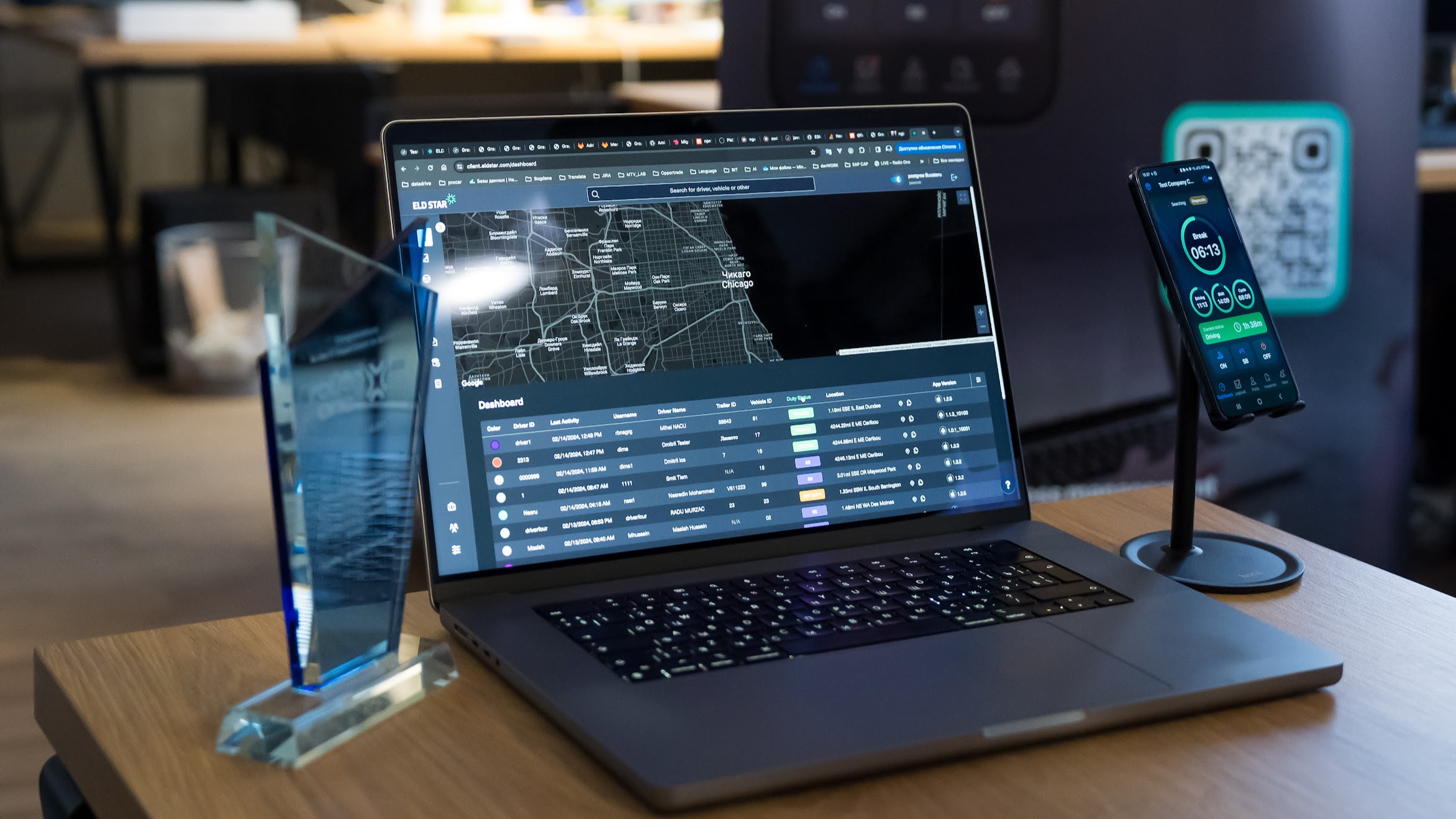
Understanding the Problem
We quickly realized we weren't designing a single application.
Even the first MVP included multiple interconnected systems:
- Driver app (iOS & Android)
- Fleet management platform
- Bluetooth ELD hardware
- Vendor telematics SDKs
- FMCSA reporting infrastructure
The platform served drivers, dispatchers, fleet managers, compliance teams and business owners, each with different goals and workflows.
Before designing interfaces, we had to understand the regulations behind them.
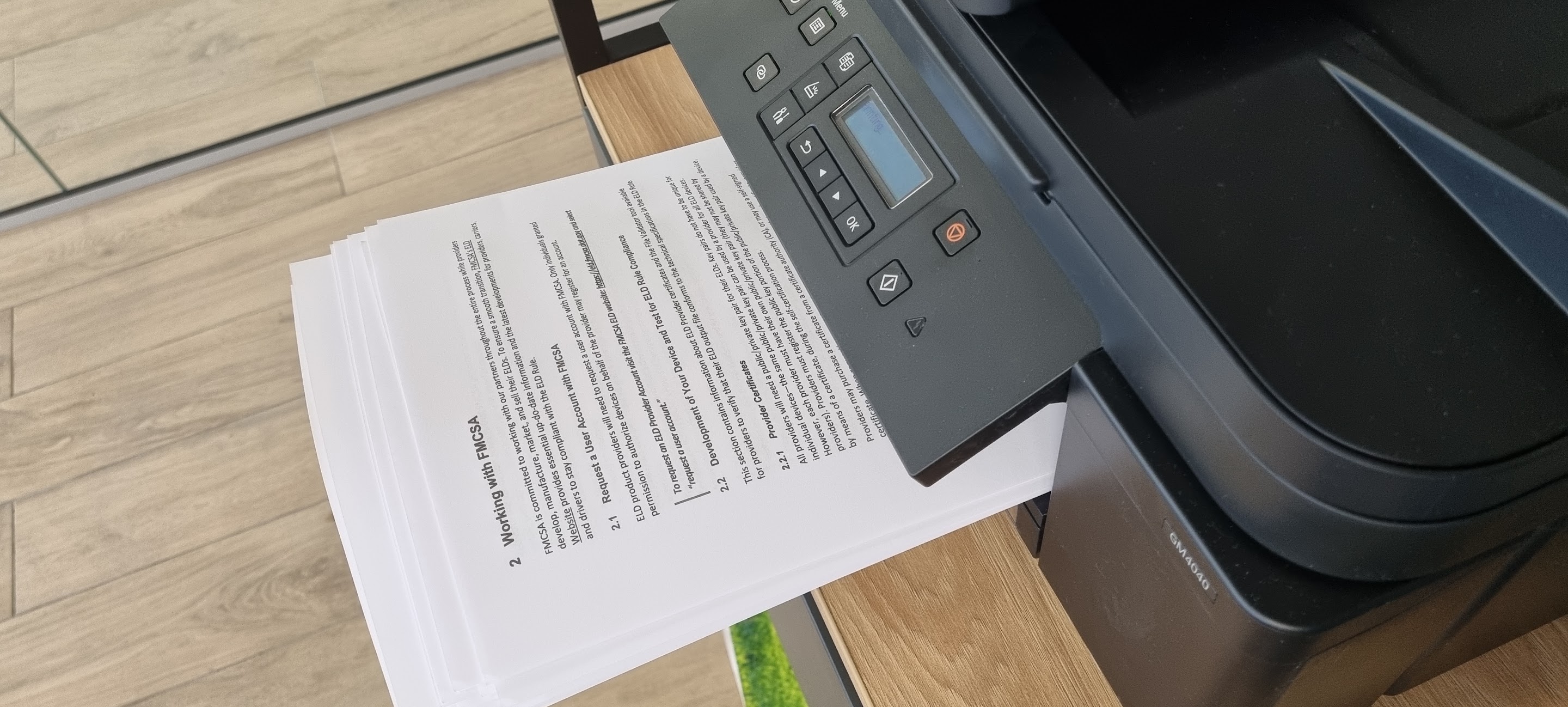
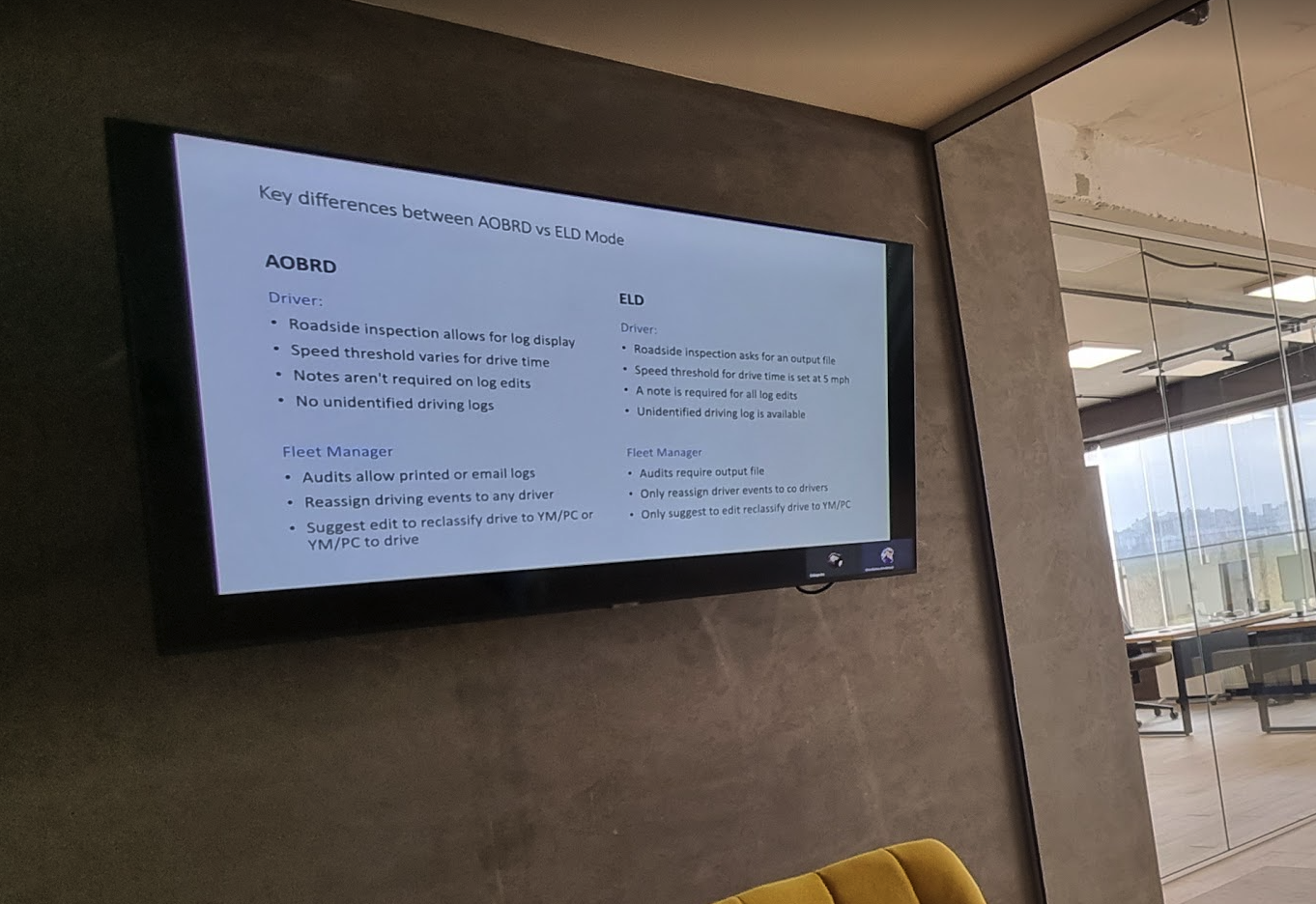
We spent weeks studying Hours of Service rules, certification requirements and roadside inspection procedures before we could define product architecture and user journeys.
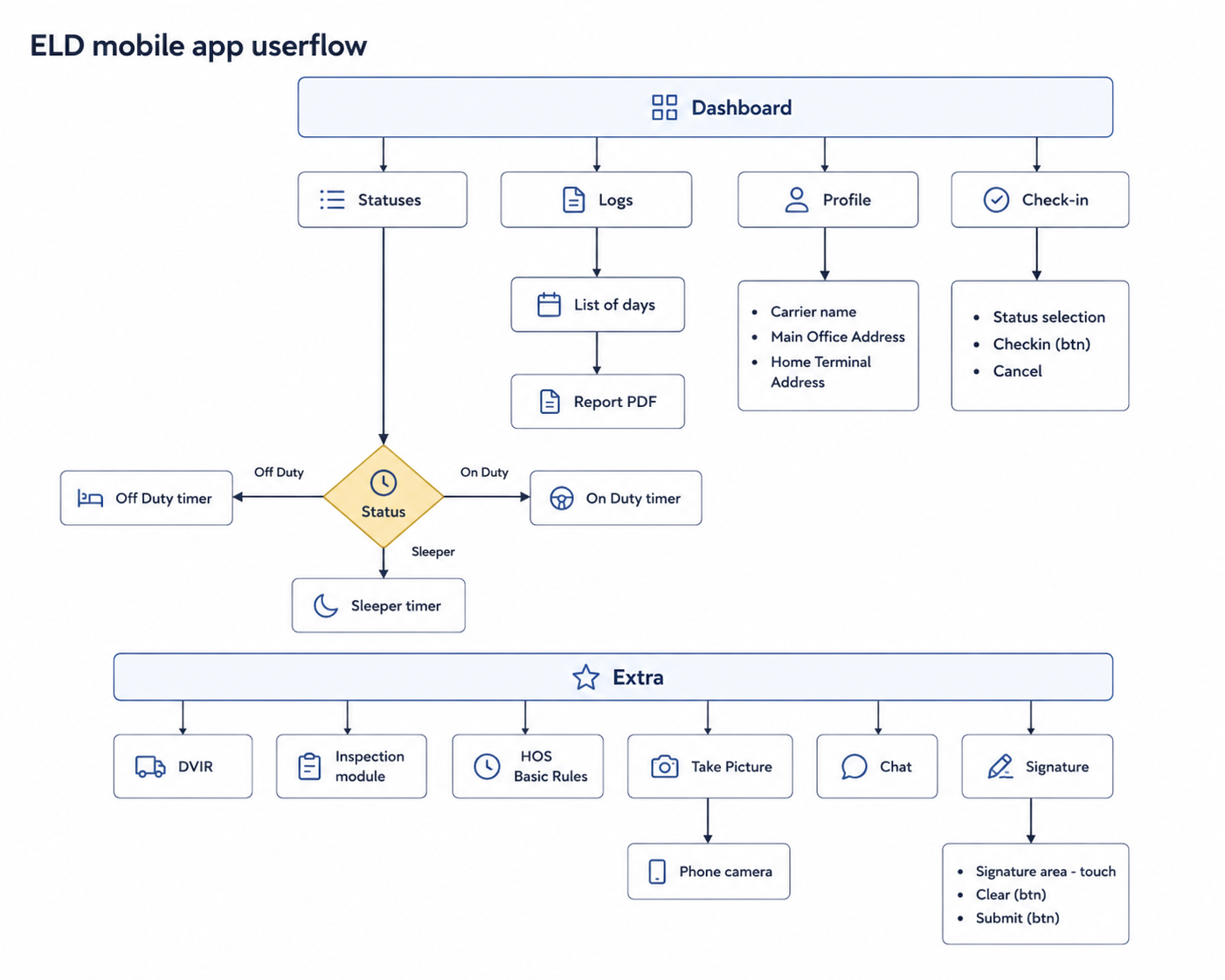
Those findings gradually evolved into the first information architecture and system flows.
Discovery & Product Design
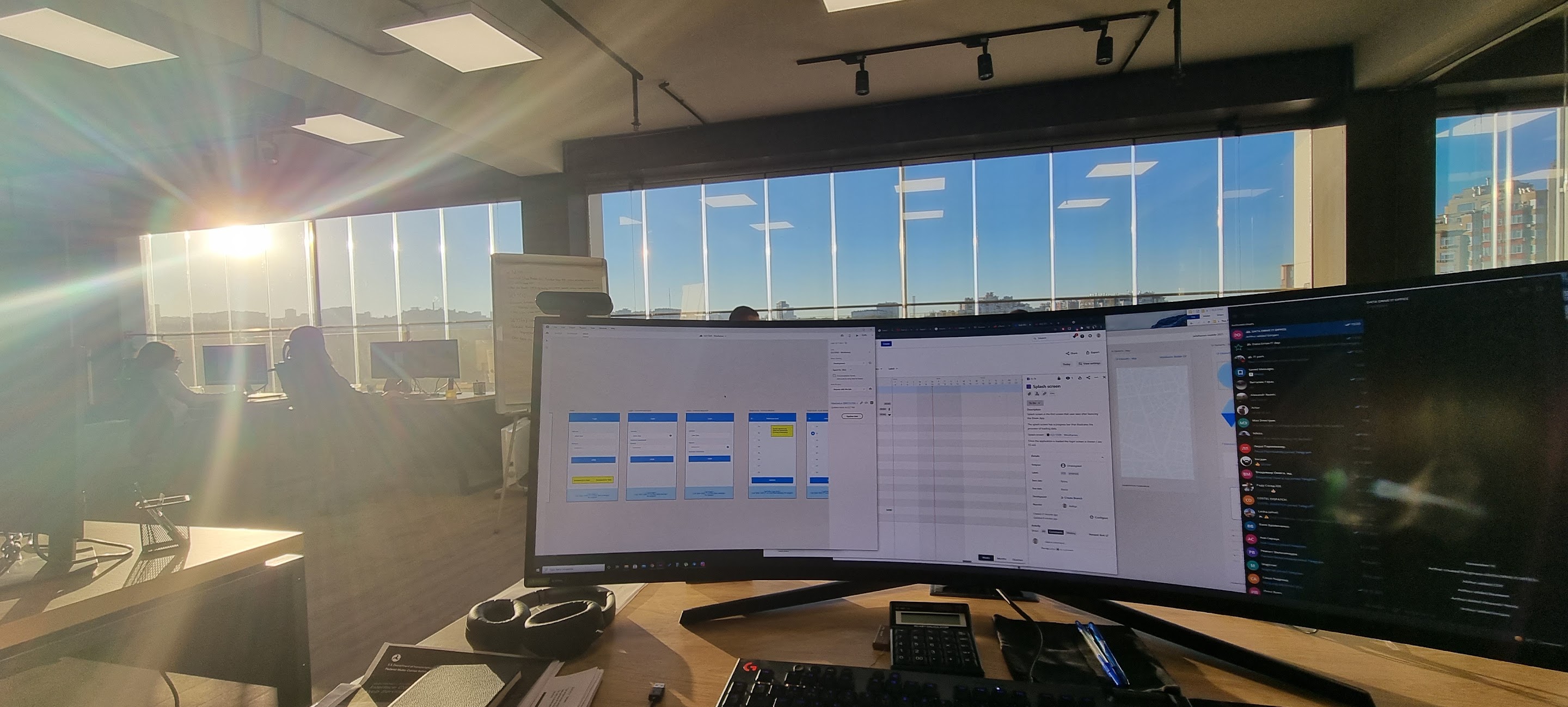
Finding truck drivers for research turned out to be harder than expected. Most of our early product knowledge came from dispatchers who worked with ELD systems every day. Later we introduced paid interviews and usability sessions with drivers to validate assumptions.
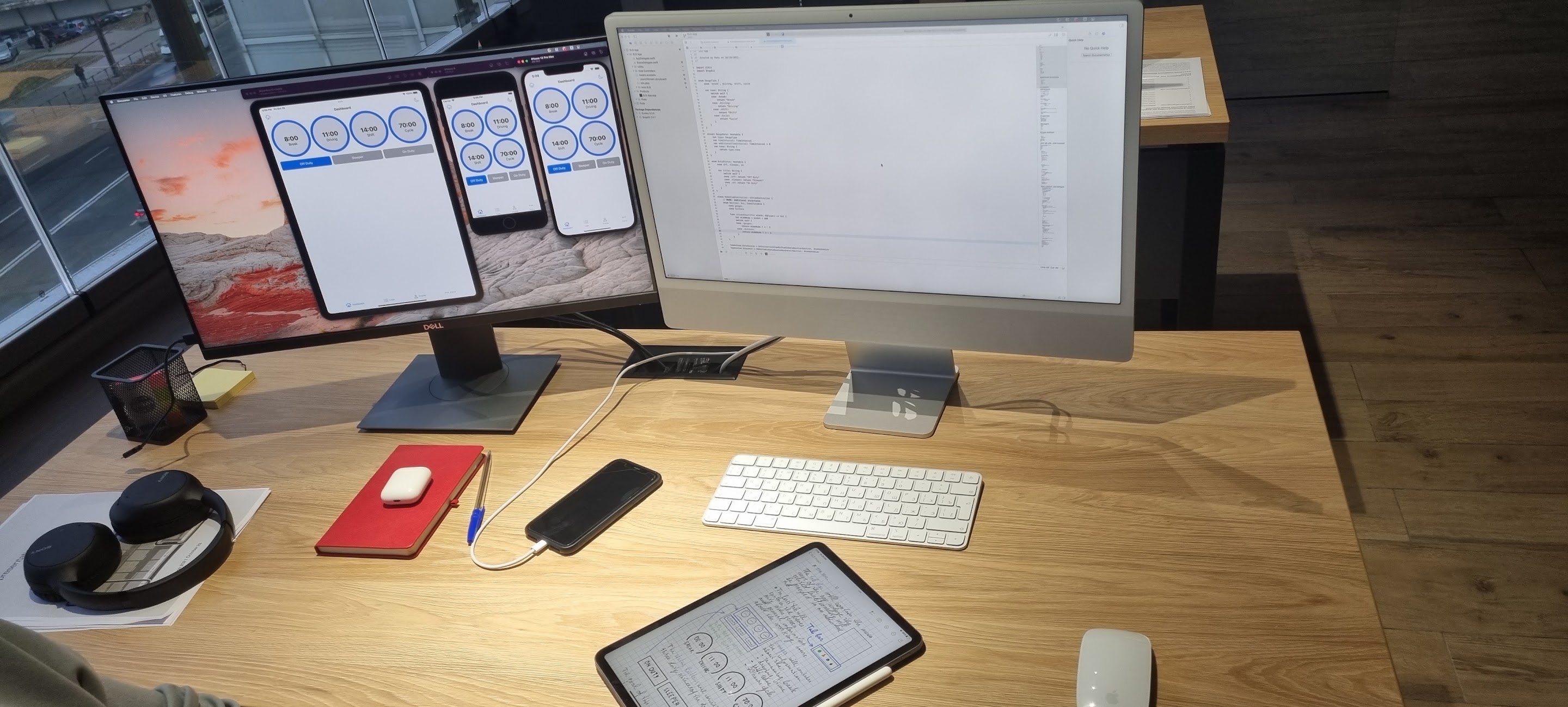
The first prototypes focused on clarity rather than visual polish. We designed around speed, readability and minimizing cognitive load while driving.
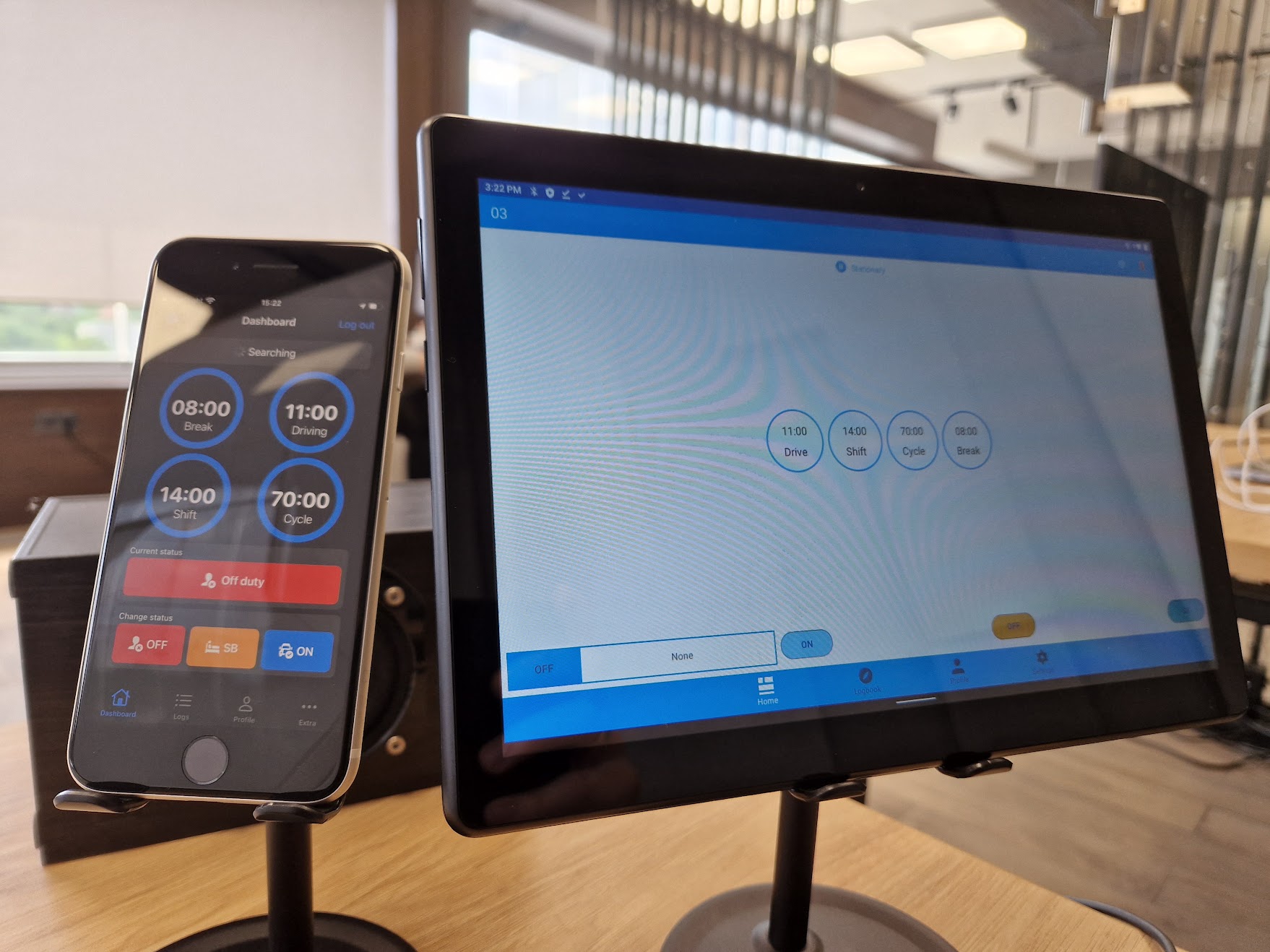
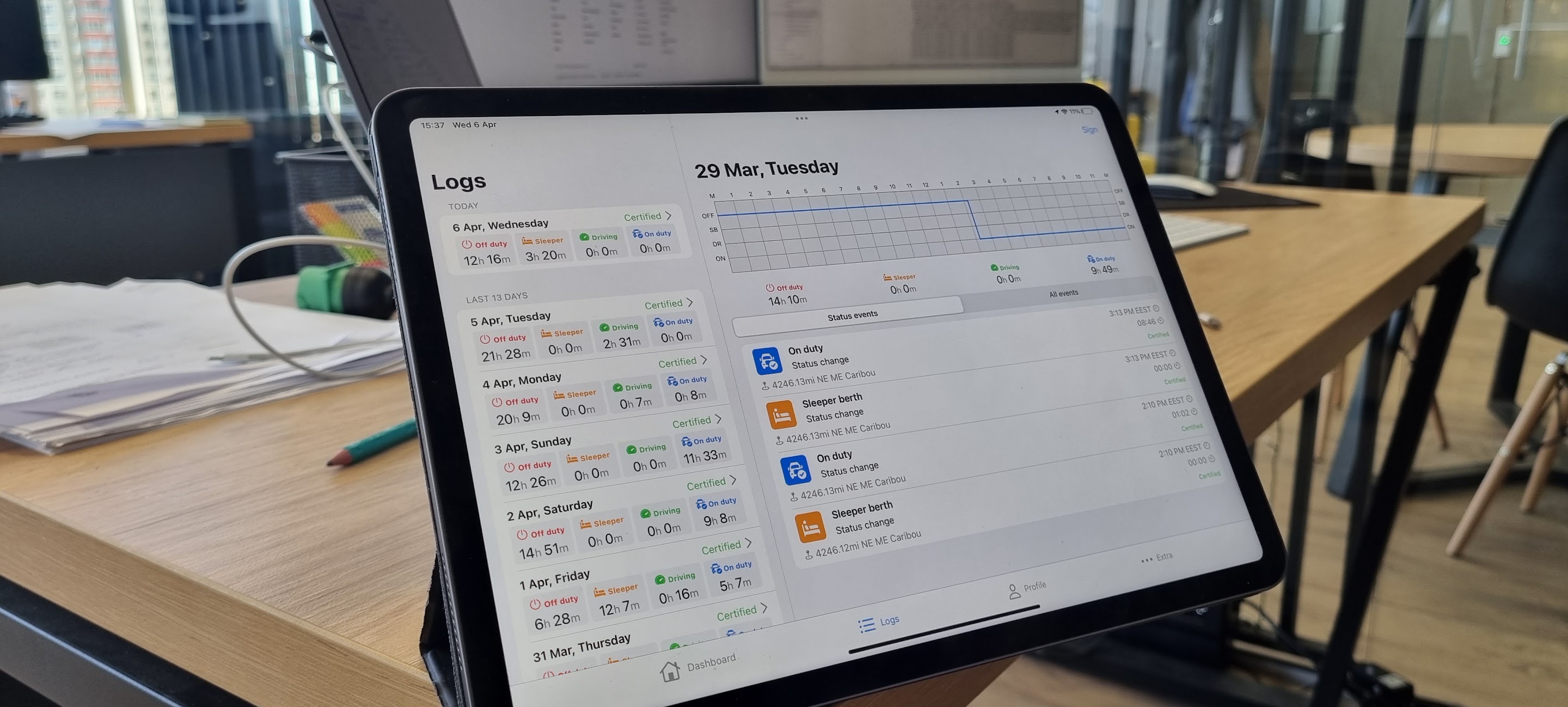
Those concepts gradually evolved into the first production-ready mobile experience across both phones and tablets.
Solving a Regulated Product
Unlike consumer software, there was no room for "good enough."
Every calculation had to match FMCSA requirements exactly.
One feature completely changed our understanding of the project: Split Sleeper Berth. What initially looked like a simple regulation became weeks of research, validation and testing before we were confident enough to implement it.
The product continuously evolved through discussions between product, engineering and compliance rather than through fixed specifications.
Testing Beyond the UI
Testing wasn't limited to usability sessions.
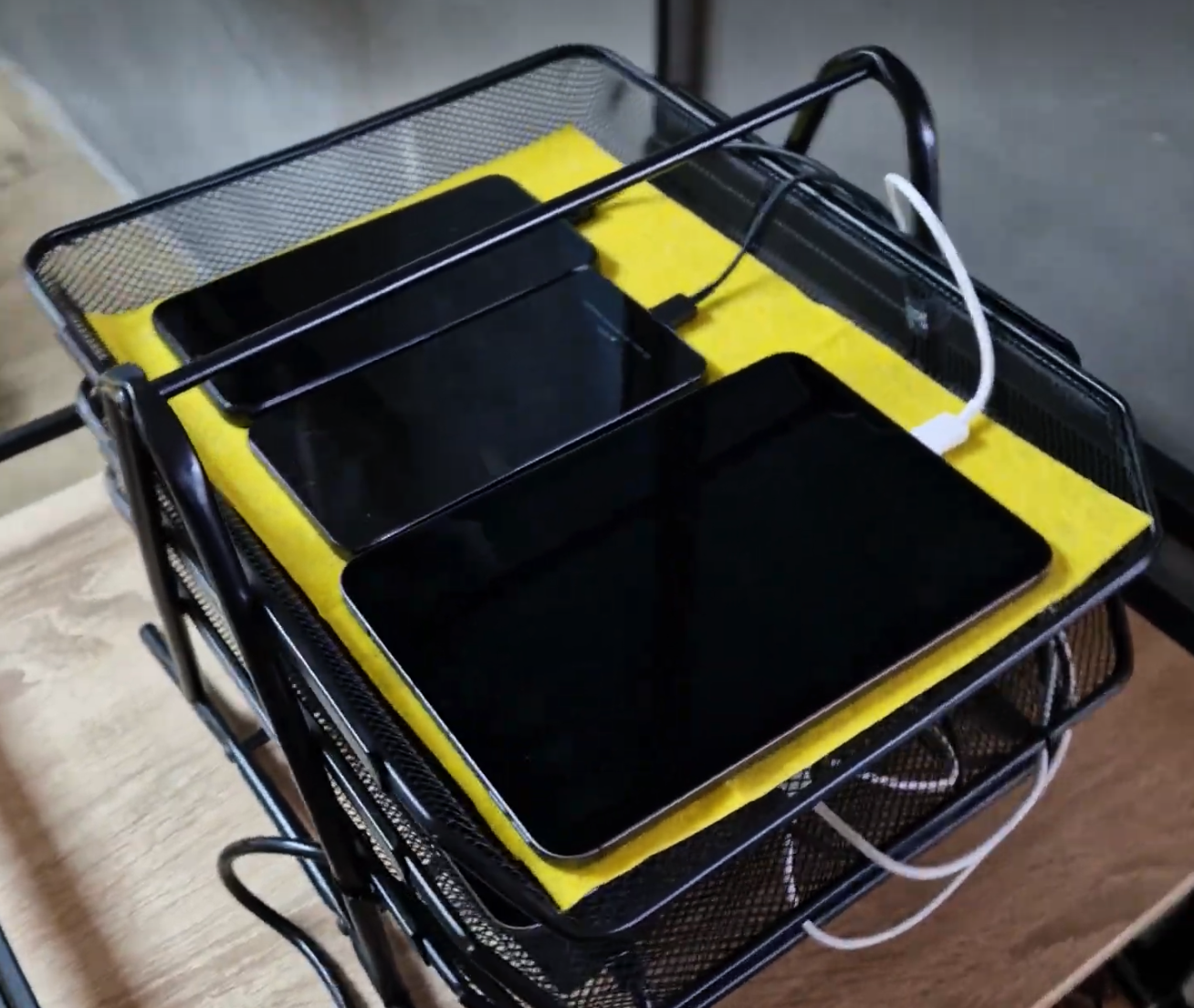
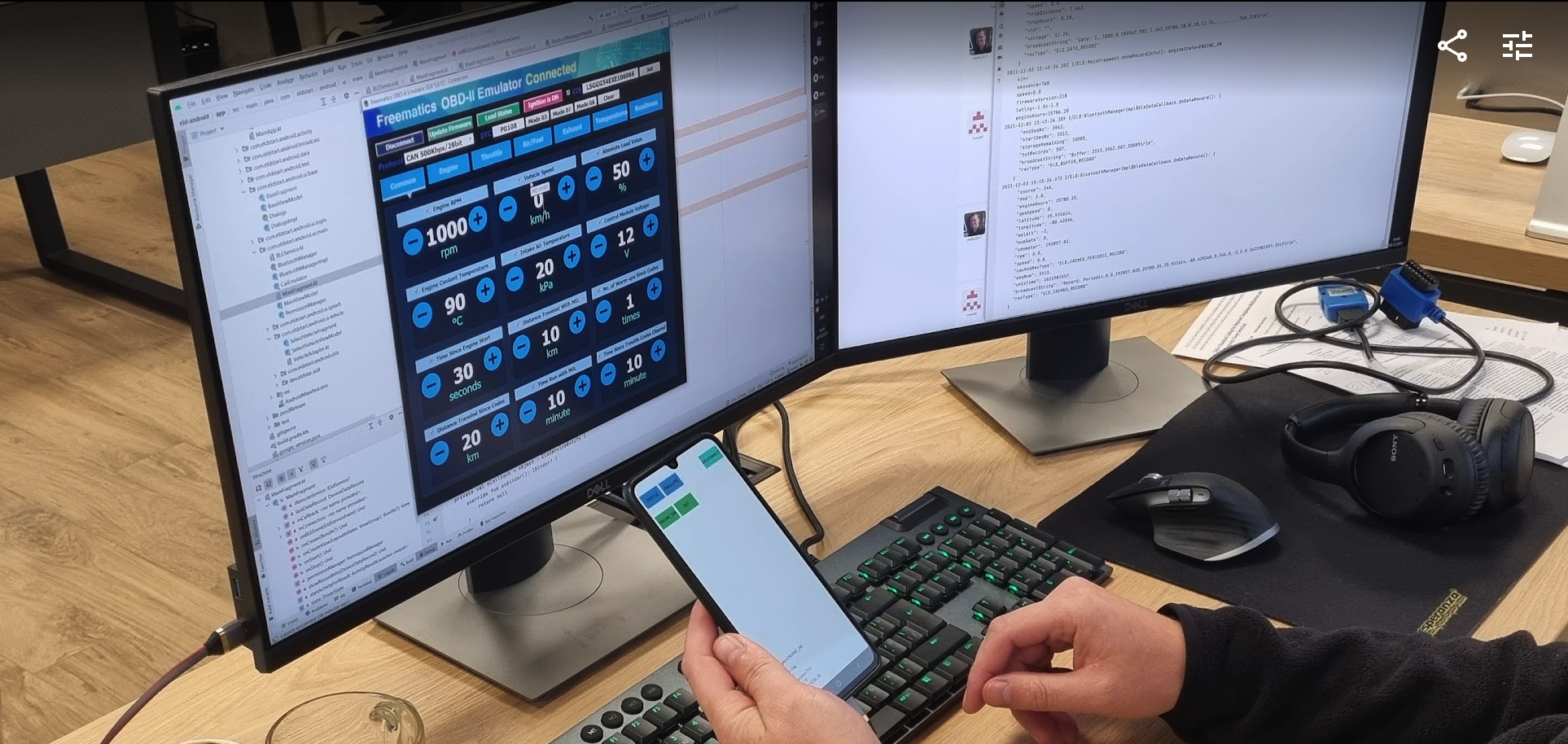
We built dedicated environments to simulate engine events, Bluetooth communication and hardware behavior long before deployment.
Developers also relied on OBD simulators to reproduce edge cases that couldn't easily be tested on real vehicles.
Learning from Real Drivers
After almost a year of development we onboarded our first driver.
Even then we asked him to keep a paper logbook as backup during roadside inspections. Real driving exposed scenarios we had never seen in development, including edge cases that forced us to reprioritize features such as Unidentified Driver Records.
Much of the product matured through collaborative workshops, whiteboarding sessions and continuous iteration with engineers and operations teams.
Scaling the Platform
Once the core ELD functionality became stable, the product expanded beyond compliance.
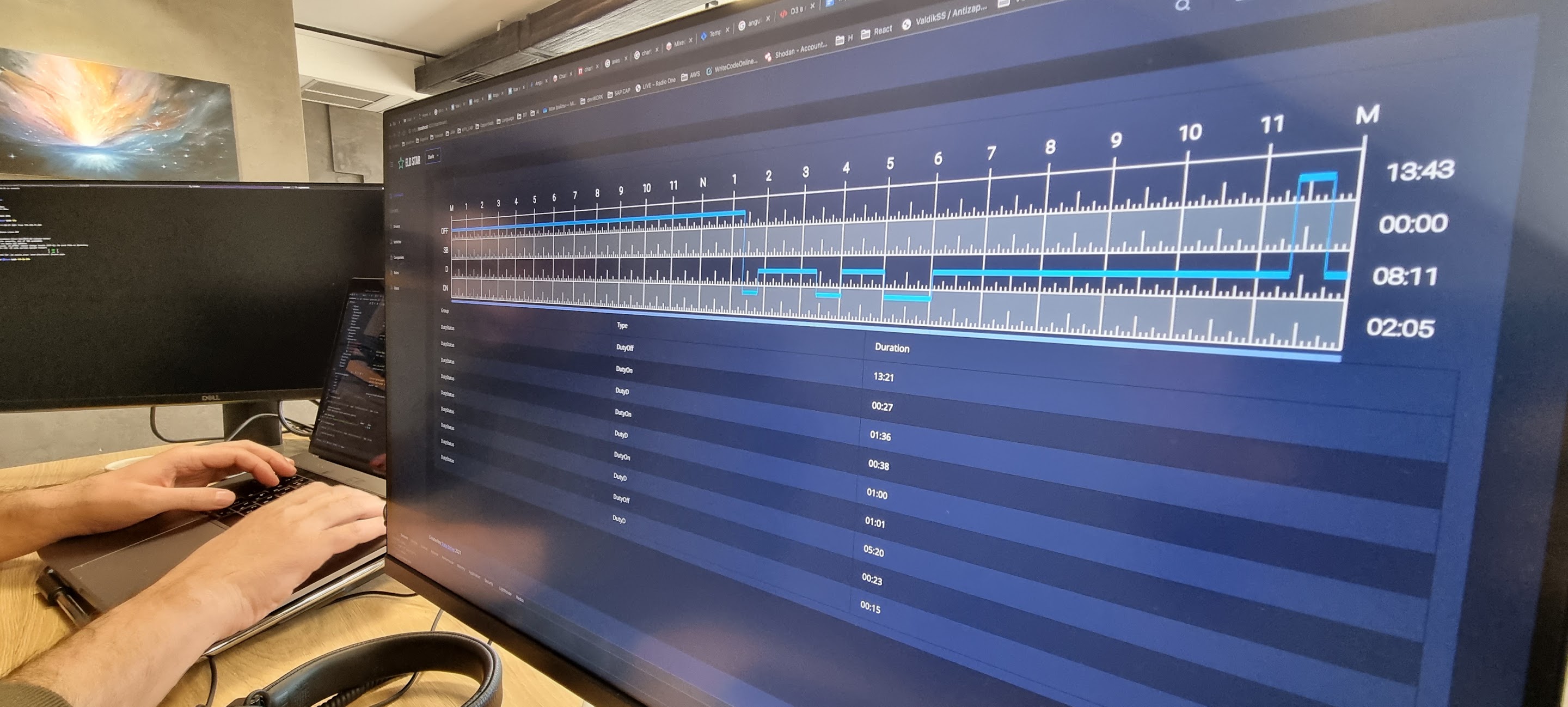
We added fleet management capabilities including:
- Driver management
- IFTA reporting
- Fleet analytics
- Device management
- Operational dashboards
- Administration tools
The back-office platform evolved alongside the driver application.
The mobile experience also matured significantly, especially for tablets commonly used inside trucks.
Outcome
What started as an internal compliance initiative for a fleet of 150 trucks became a commercial ELD platform for the US transportation market.
More importantly, the project changed how I build enterprise products. In regulated industries, success depends less on interface design and more on understanding legislation, operational workflows and real user behavior.
The best product decisions didn't come from meeting rooms. They came from reading regulations, testing hardware, working with dispatchers and validating assumptions in real trucks.
Something is not working.Let's find out what.
A direct conversation about your product, what you are seeing, and whether an investigation would be worth it.